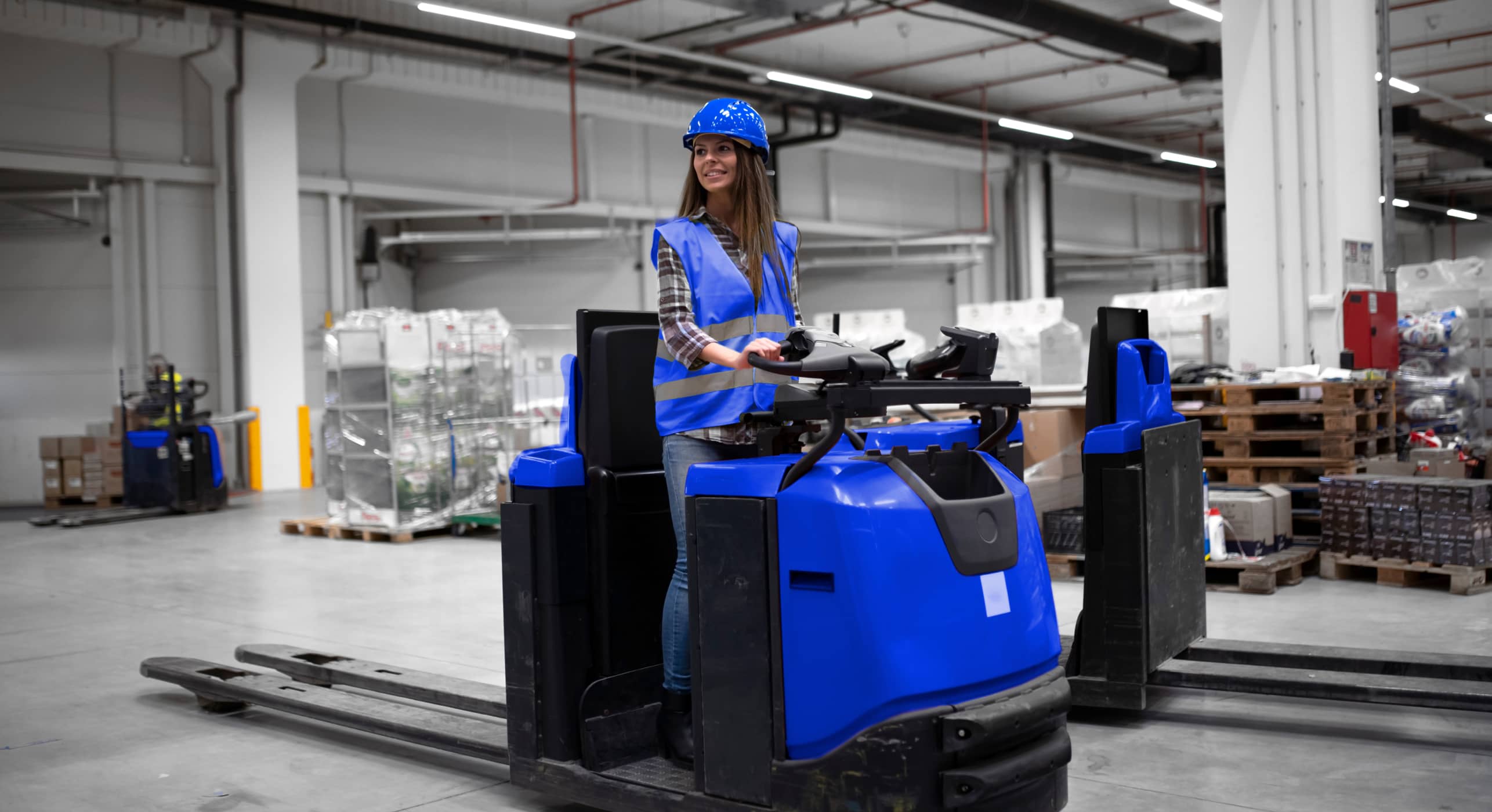

In de hedendaagse dynamische wereld speelt kunstmatige intelligentie (AI) een cruciale rol in het transformeren van de transport- en logistieksector. Van het optimaliseren van supply chain processen tot het verbeteren van klantenservice, AI-technologieën bieden ongekende kansen voor efficiëntie en innovatie.
Efficiëntie op de Voorgrond
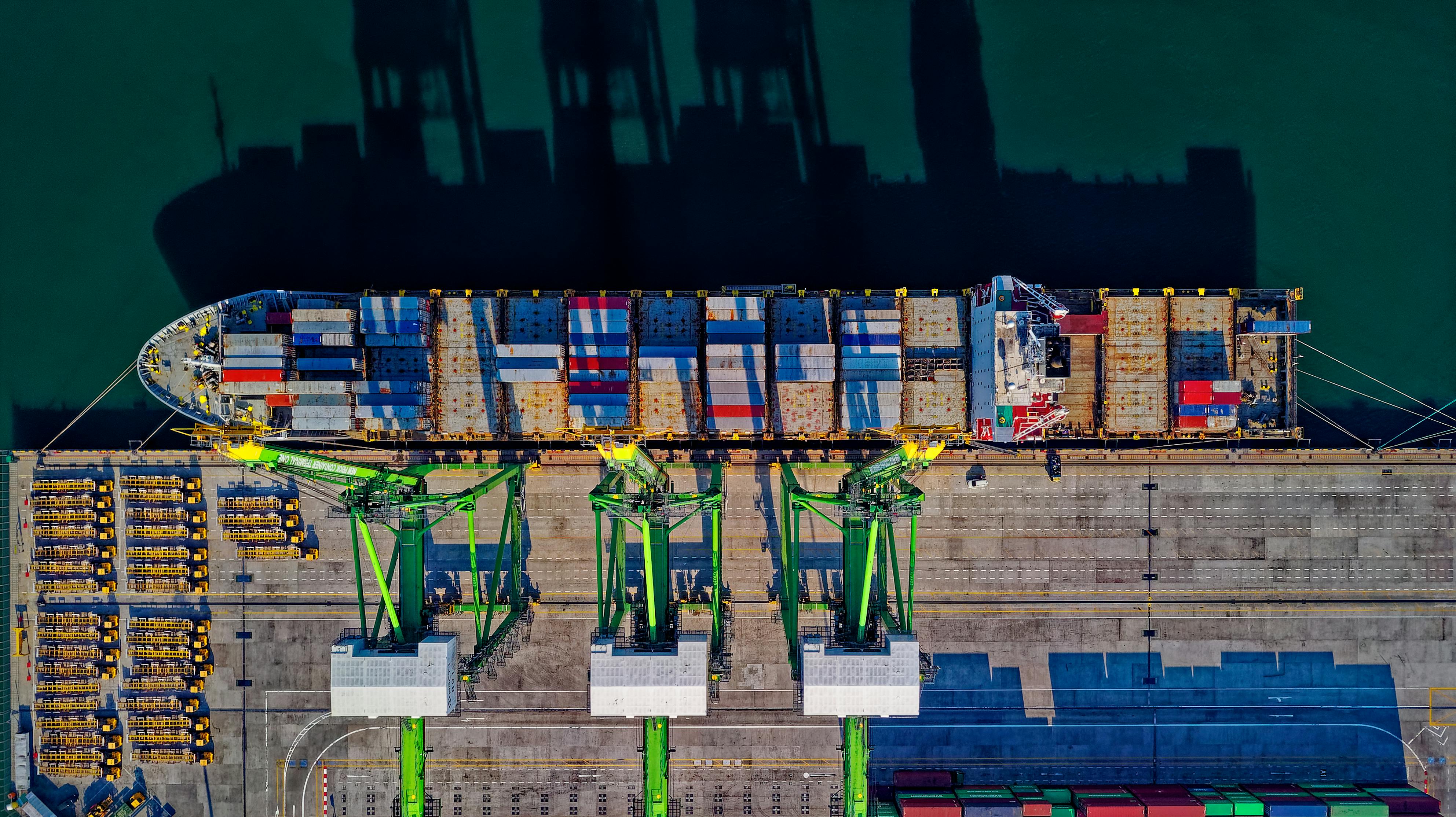
Een van de meest significante bijdragen van AI in de logistiek is de optimalisatie van de supply chain. Door gebruik te maken van algoritmes voor machinaal leren, kunnen bedrijven voorspellingen doen over vraag en aanbod, voorraadniveaus intelligent beheren en leveringstijden verkorten. Dit leidt niet alleen tot kostenbesparingen, maar ook tot een verhoogde klanttevredenheid door betrouwbare leveringsschema's.
Autonoom Vervoer: Een Nieuwe Horizon
Autonome voertuigen staan op het punt een revolutie teweeg te brengen in het wegtransport. AI-gestuurde vrachtwagens en drones beloven een toekomst waarin goederen sneller, veiliger en kosteneffectiever dan ooit tevoren worden vervoerd. Door het verminderen van menselijke fouten en het optimaliseren van routes, kunnen autonome systemen significante voordelen bieden voor zowel bedrijven als consumenten.
Slimme Magazijnen: De Toekomst van Opslag
In warehousing zijn AI-gedreven robots al realiteit, waar ze taken zoals sorteren, verpakken en het verplaatsen van voorraden overnemen. Deze robots kunnen continu werken zonder vermoeidheid, wat leidt tot een verhoogde productiviteit en verminderde operationele kosten. Bovendien zorgt AI voor een betere nauwkeurigheid bij het inventariseren en verminderen van fouten in het orderverwerkingsproces.
Klantenservice: Persoonlijk en Efficiënt
AI speelt ook een essentiële rol in het verbeteren van de klantenservice binnen de logistieke sector. Chatbots en virtuele assistenten, aangedreven door natuurlijke taalverwerking (NLP), bieden klanten 24/7 ondersteuning, waardoor de responsiviteit verbetert en de ervaring personaliseert. Deze technologieën kunnen complexe vragen begrijpen en afhandelen, wat leidt tot snellere oplossingen en een hogere klanttevredenheid.
Duurzaamheid: Een Groene Toekomst
AI helpt bedrijven ook bij het realiseren van duurzamere operaties. Door routes en belading te optimaliseren, kunnen AI-systemen de CO2-uitstoot verminderen en de algehele ecologische voetafdruk van transport en logistiek verkleinen. Deze vooruitgang ondersteunt de sector niet alleen bij het voldoen aan milieureguleringen, maar draagt ook bij aan een beter imago bij milieubewuste consumenten.
Conclusie
De integratie van AI in de transport- en logistieksector belooft een toekomst van verhoogde efficiëntie, verbeterde veiligheid, en duurzame operaties. Terwijl bedrijven deze technologieën blijven verkennen en implementeren, wordt de basis gelegd voor een revolutionair nieuw tijdperk in de manier waarop we goederen produceren, opslaan en vervoeren. Het potentieel van AI is enorm, en de sector staat pas aan het begin van deze spannende reis.