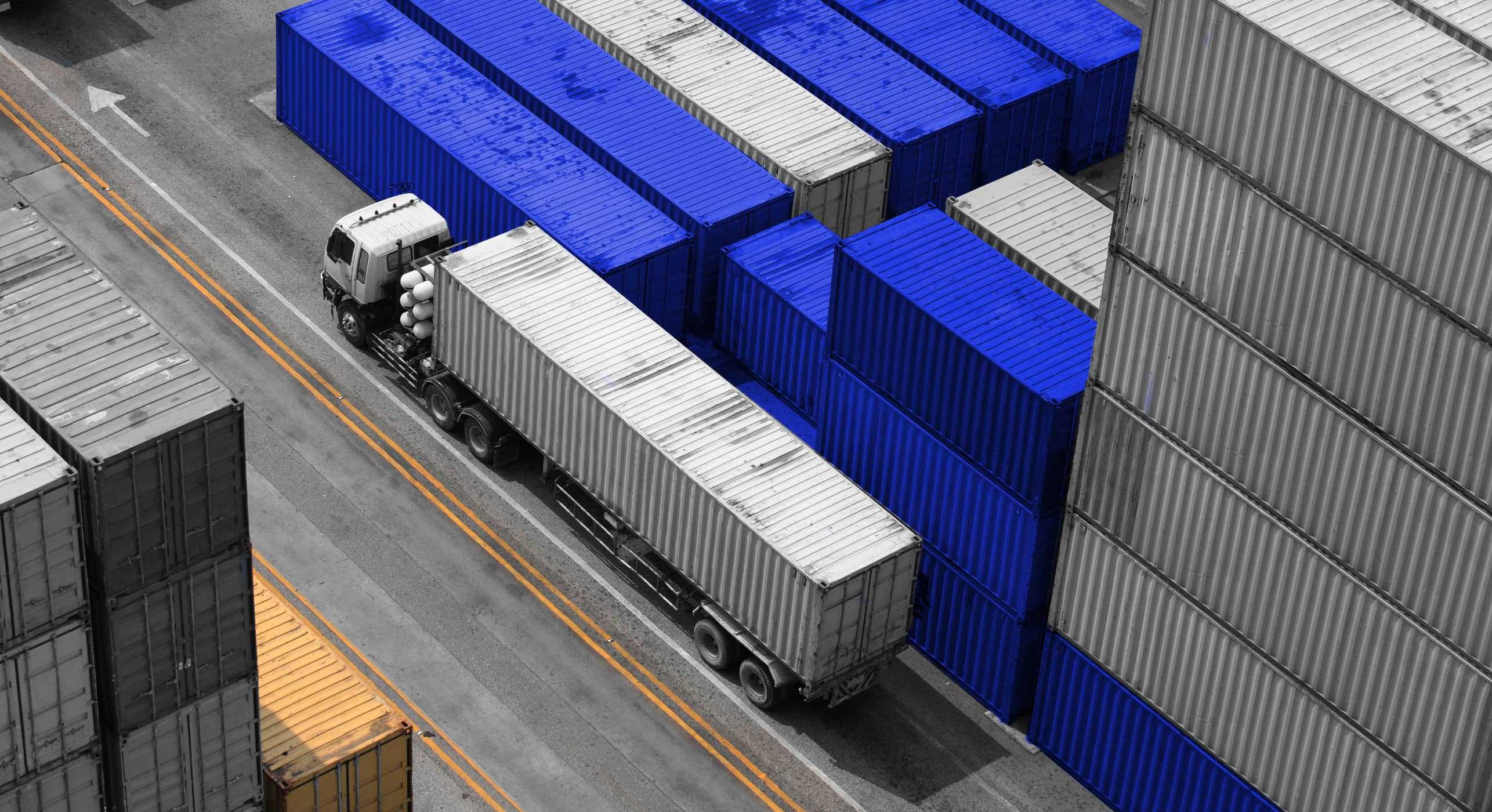

De maritieme sector, een cruciaal onderdeel van de wereldwijde handel en economie, staat aan de vooravond van ingrijpende veranderingen. Naarmate we richting 2050 bewegen, worden duurzaamheid, technologie, en globalisatie de sleutelfactoren die deze sector vorm zullen geven. Dit artikel belicht de verwachte veranderingen binnen de maritieme industrie en de implicaties daarvan voor de wereldhandel, milieu, en geopolitieke landschap.
Duurzaamheid en Milieu-impact
Een van de meest significante veranderingen in de maritieme sector is de verschuiving naar duurzaamheid. De International Maritime Organization (IMO) heeft ambitieuze doelstellingen vastgesteld om de uitstoot van broeikasgassen tegen 2050 te halveren ten opzichte van de niveaus van 2008. Dit heeft geleid tot een toename in de ontwikkeling en implementatie van groene technologieën, waaronder elektrificatie van schepen, gebruik van vloeibaar aardgas (LNG) en waterstof als brandstoffen, en de inzet van wind- en zonne-energie.
Technologische Innovatie
Technologie zal een centrale rol spelen in de transformatie van de maritieme sector. Autonome schepen staan op het punt om de norm te worden, met significante investeringen in kunstmatige intelligentie (AI) en machine learning om navigatie, veiligheid, en operationele efficiëntie te verbeteren. Daarnaast zullen digitalisering en blockchain-technologieën de supply chain en logistiek transparanter en efficiënter maken, waardoor de tijd en kosten die gemoeid zijn met maritieme handel verminderen.
Globalisatie en Handelspatronen
De wereldhandelspatronen zullen naar verwachting veranderen als gevolg van geopolitieke verschuivingen, veranderende consumentenvoorkeuren, en de evolutie van productiecentra. De maritieme sector zal zich moeten aanpassen aan deze nieuwe realiteiten, met een focus op flexibiliteit en veerkracht in supply chains. Dit kan leiden tot een herconfiguratie van scheepvaartroutes en een toename van regionale handel ten opzichte van intercontinentale handel.
Geopolitieke Implicaties
De strategische belang van zeeroutes en controle over belangrijke maritieme knooppunten zal naar verwachting toenemen, wat de potentie heeft om bestaande geopolitieke spanningen te verergeren. Tegelijkertijd biedt de transitie naar duurzame energiebronnen en technologieën nieuwe mogelijkheden voor samenwerking en conflictvermindering, aangezien landen streven naar een duurzamere en efficiëntere maritieme sector.
Conclusie
De maritieme sector staat aan de vooravond van een transformatie die zijn weerga niet kent. Deze veranderingen brengen zowel uitdagingen als kansen met zich mee. De sector zal moeten navigeren door een complex landschap van technologische innovaties, duurzaamheidsdoelstellingen, en veranderende geopolitieke en handelsdynamieken. De mate waarin deze industrie zich kan aanpassen en innoveren, zal bepalend zijn voor zijn succes in 2050 en daarna. Naarmate we dichter bij dit toekomstbeeld komen, is het duidelijk dat samenwerking, flexibiliteit, en investeringen in technologie en duurzaamheid cruciaal zullen zijn voor het veiligstellen van een veerkrachtige en welvarende maritieme toekomst.